

What Do Buyers Really Pay Attention To?
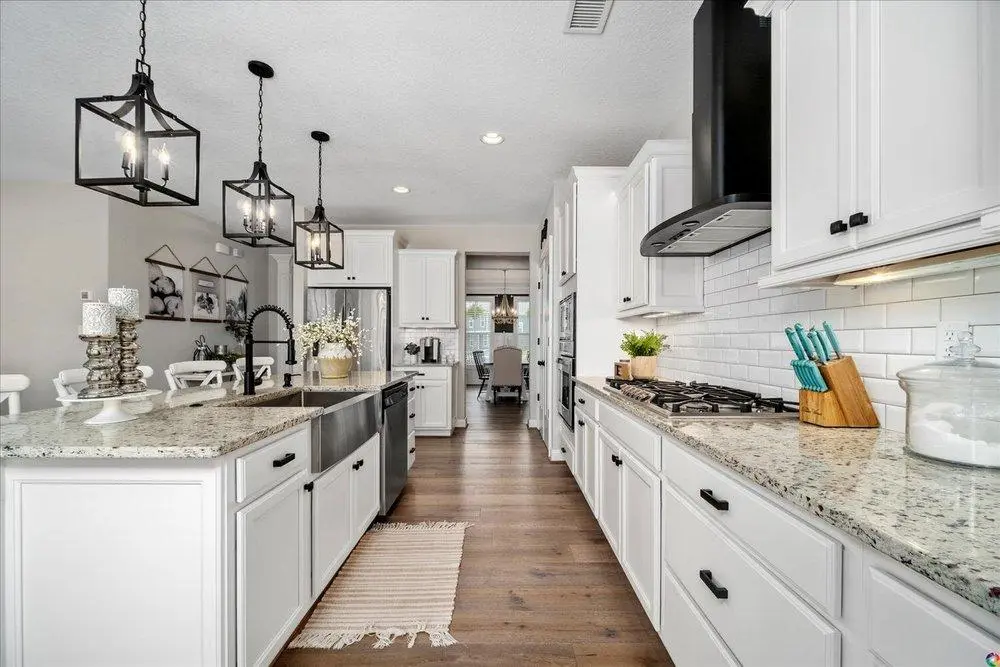
It’s not always the big renovation. Sometimes, it’s the little things that tell a buyer how well a home has been cared for.
When you're getting ready to sell your home, it's easy to focus on what you can change right now—fresh paint, updated fixtures, clean countertops, landscaping and maybe even a renovation or two.
But buyers aren't only looking at what you've done to prepare for the sale. They're looking at the overall condition of the home and picking up on clues about how it has been cared for over time.
And some of the things they notice may surprise you.
The Little Things Matter
A home doesn't have to be brand new to make a great impression. In fact, a well-maintained older home can often feel more appealing than a recently updated home with obvious signs of deferred maintenance.
Buyers notice when:
-
Doors and windows operate properly
-
Faucets and toilets don't leak
-
Cabinets and drawers work as they should
-
Railings and handrails are secure
-
Flooring and trim are in good condition
-
Mechanical systems appear well-maintained
-
There are no obvious signs of water damage or neglected repairs
They also notice the little things you've probably stopped seeing because you've lived with them for so long.
A missing outlet cover. A cracked switch plate. A loose cabinet handle. Broken blinds. A door that doesn't latch. A burned-out bulb. A loose towel bar. A wobbly toilet. A dripping faucet.
None of these is a major problem on its own.
But collectively, they can affect a buyer's first impression of the home.
And Then There's the DIY Project…
There's nothing wrong with being handy. Some homeowners do an incredible job tackling projects themselves.
But buyers can spot the projects that probably should have been left to a professional—or simply finished with a little more care.
Plumbing is a big one.
Replacing a faucet or toilet might look like a straightforward weekend project, but if it isn't installed correctly, a slow leak, improper connection or poor seal may not be immediately obvious. Buyers and inspectors can find those problems.
And honestly, a new faucet installed incorrectly can create more concern than an older faucet that works perfectly.
Trim work is another one buyers notice.
Mitered corners that don't meet properly. Baseboards that aren't butted together cleanly. Gaps at corners. Nail holes that weren't filled. Paint on the trim, outlets or light switches.
And it's not just trim. Crooked shelving, poorly modified cabinets, flooring transitions that don't quite work, sloppy grout or caulking, repairs that look temporary—or questionable can all stand out.
Even seemingly simple updates such as light fixtures, ceiling fans, switches, outlet covers and other hardware can look unfinished when they're crooked, poorly installed or not properly secured.
Individually, these things may seem minor. But when a buyer sees several projects that look unfinished or poorly executed, it can create a bigger concern:
“If this is what I can see, what might I not be able to see?”
The point isn't “never DIY.”
It's “if you DIY, do it well.”
If you're confident in your skills, go for it. But if you're not sure you can get the finished product looking and functioning the way it should, hiring a professional may be the smarter investment.
Maintenance Tells a Story
One of the best things you can do for your home isn't something you do a few weeks before putting up the “For Sale” sign.
It's taking care of the home all along.
Regular maintenance, timely repairs and attention to the small things can make a noticeable difference when it eventually comes time to sell.
That doesn't mean buyers expect a 20-year-old home to look like it was built yesterday. They understand that homes age.
What buyers want to see is evidence that the home has been cared for rather than neglected.
There's a big difference.
Don't Confuse Clean With Maintained
A spotless home is important when you're selling. So is good presentation.
But clean and well-maintained aren't the same thing.
Fresh paint doesn't fix a leaking pipe. Beautiful staging doesn't make a door that sticks work properly. New fixtures don't erase years of deferred maintenance.
Presentation gets attention. Condition builds confidence.
Before You Start Renovating…
This is where sellers can sometimes spend more money than necessary.
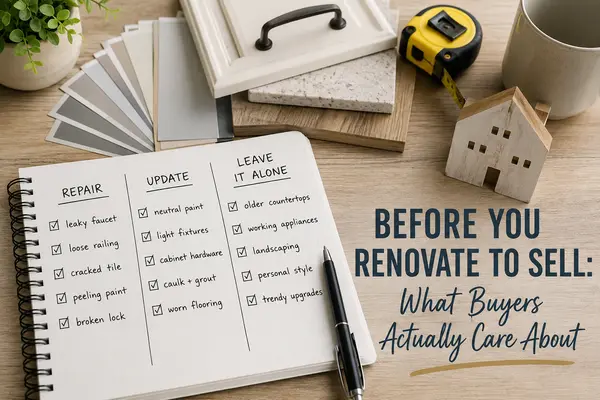
You may not need to remodel the kitchen. You may not need to replace every bathroom. You may not need new flooring throughout the house or the latest designer finishes.
Before you start spending, ask a more important question:
What will actually make a difference to a buyer?
Sometimes the smartest investment isn't a major renovation. It's taking care of the things you've been living with for years.
Fix the dripping faucet. Replace the cracked outlet covers. Repair the door that doesn't close properly. Finish the trim. Replace the broken blinds. Take care of the maintenance you've been putting off.
Those aren't glamorous projects, but they can help your home feel cared for—and that's something buyers notice.
Your Home Doesn't Have to Be Perfect
The goal isn't to make your home perfect for a buyer you've never met.
It's to make smart decisions about how to prepare the home you're selling.
Before you start spending money on projects, let's walk through it together.
I'll help you identify what buyers are likely to notice, what is worth addressing, what you can leave alone and where your money is most likely to make a difference.
Sometimes the best preparation isn't a major renovation. It's simply taking care of the little things.
Recent Posts







GET MORE INFORMATION

Roxanne Redar
Real Estate Agent License ID: 352352
Real Estate Agent License ID: 352352